Mobile Game
Arcane Knockout
A Unity-built Android arena brawler where players combine spells, control collapsing battlegrounds, and outlast rivals through offline practice, online matches, and 2v2 team battles.
- Role
- Product design & development
- Project type
- Mobile Game
- Status
- Playable Android MVP
- Organization
- Personal project
- Timeline
- — Present
- Confidentiality
- public
- Published
- published
Product walkthrough
Selected screens
Confidentiality note
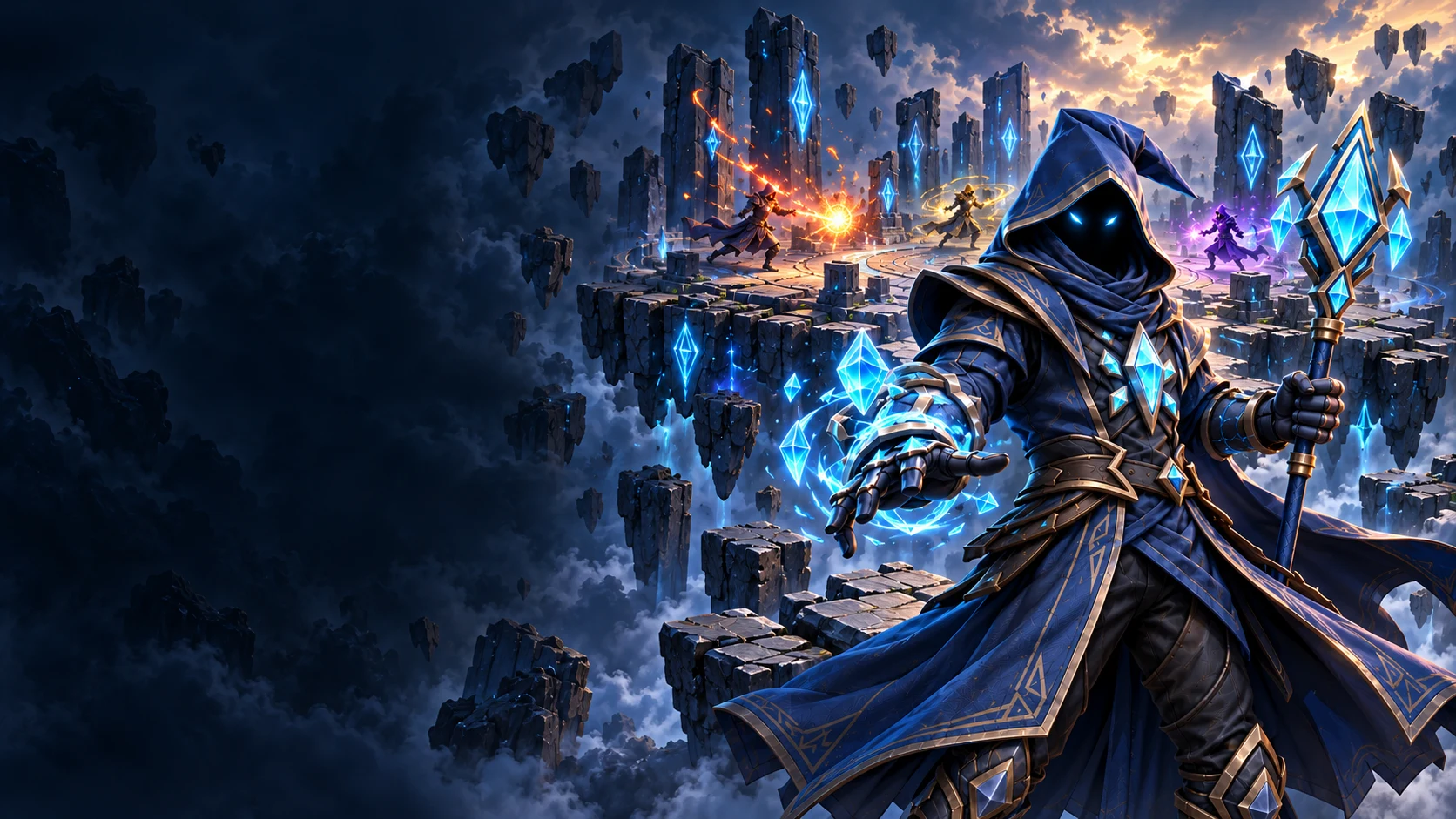
This is a personal game development project. The cover image is promotional artwork; gallery images are captured in Unity. The playable Android release and tutorials are available from the public website. Source code is maintained in private repositories.
Project overview
Arcane Knockout is a personal game product built with AI-assisted development in Unity and C#. It brings spell-based arena combat to Android, combining directional aiming, Impact-driven knockback, defensive abilities, and recovery mechanics.
Players can practice offline against bots, invite friends through private room codes, or enter online Quick Play. Survival, Sudden Knockout, and Team Survival offer different ways to compete, with distinctive arena environments including Arcane Citadel, Molten Crucible, and Venom Sanctum.
The project includes the playable game and a companion Next.js website with Android downloads, tutorials, arena previews, and a searchable spell archive. A signed version 0.1.0 Android build was published on October 13, 2026.
Business problem
A mobile spell-combat game needs readable controls, clear combat feedback, and reliable match entry. Players should be able to learn the core mechanics offline before joining competitive online or team matches.
Product objective
Create an accessible Android arena brawler with tactical spell combinations, readable battlegrounds, offline practice, and online multiplayer, supported by a website that helps players learn and install the game.
Product approach
Develop the product through iterative playable milestones. Establish the shared combat rules first, extend offline and online modes around the same gameplay systems, and refine controls, spell feedback, map layouts, and match flows through focused validation. Support player onboarding with tutorials and a browsable spell archive.
Solution summary
Unity and C# power the Android game. Unity Gaming Services Sessions and Relay support online match discovery and private rooms. The game includes bots, spell loadouts, multiple match modes, and distinct arena environments. A responsive Next.js website on Vercel provides the signed APK, installation details, tutorials, and spell search.
Target users
- Android players who enjoy short arena battles
- Friends playing private matches
- Players practicing offline against bots
Selected product decisions
Provide offline practice alongside online play
Reasoning
Let players learn controls and spell interactions against bots before entering Quick Play or private rooms.
Use server-authoritative online gameplay
Reasoning
Keep combat results and participant state under the host authority while supporting responsive client presentation.
Give each arena a distinct tactical identity
Reasoning
Use cover, sightlines, and environmental presentation to create different positioning and recovery choices.
Pair the game with a dedicated product website
Reasoning
Bring Android installation, tutorials, arena previews, and spell discovery into one player-facing destination.
Outcomes
Signed v0.1.0 APK
An Android 8.0+ ARM64 build was published through the companion website on October 13, 2026.
Android releaseOffline + online
Implemented offline bot practice, private rooms, Quick Play, and 2v2 team play.
GameplayLive product website
Published arena previews, expandable tutorials, a searchable spell archive, and Android download details.
Player onboardingChallenges
- Maintaining responsive mobile controls and readable spell feedback
- Keeping offline and online combat rules consistent
- Handling matchmaking, disconnects, and Relay session recovery
- Balancing arena cover and recovery routes without obstructing movement
Lessons learned
- Mobile combat depends on clear controls, readable effects, and useful feedback
- Shared gameplay rules help keep offline and multiplayer behavior consistent
- Arena geometry should create tactical choices while preserving movement and recovery routes
- A playable release benefits from clear tutorials and a straightforward installation experience